Locate the friction
01 / Understand
Find the real constraint.
Look at customers, operations and evidence before choosing a solution.
Evidence before investment
Business & digital strategy
Find the right problem to solve, then turn ambition into a plan your team can act on.











“Customer service is amazing, web page is very clear and understandable and the product is great!”
“Superfast response and delivery, excellent quality. Highly recommended.”
“FDS cards were very helpful and on point with all the requests.”
“Excellent product range & quality & very proffesional & quick service. I strongly reccomend them.”
“Responsive and forthcoming staff, great communication”
“Fast service and good quality.”
“It was better than advertised :)”
The experience
A useful strategy makes choices visible: what to do first, what to test and what can wait.
Look at customers, operations and evidence before choosing a solution.
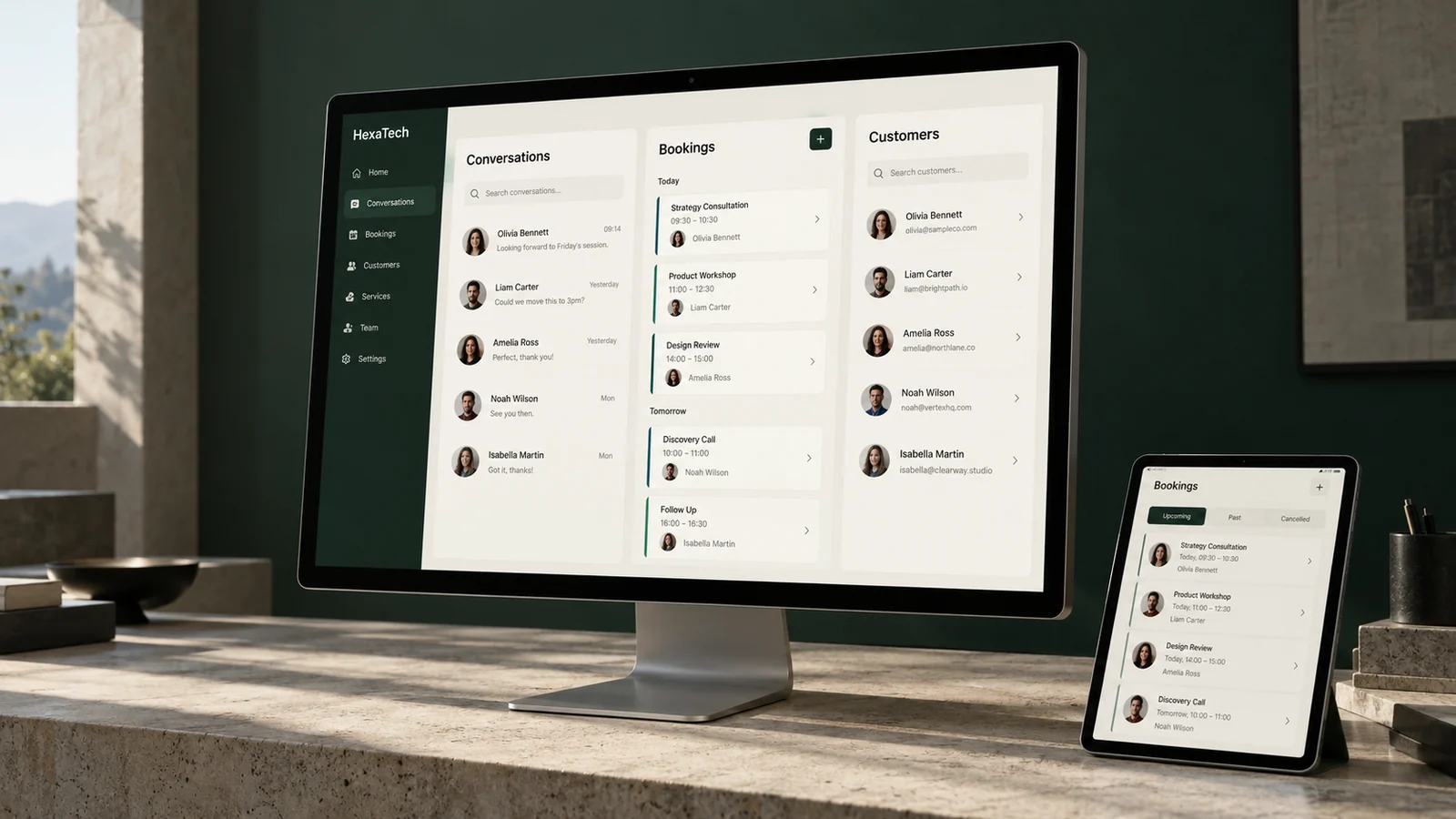
Weigh impact, effort and dependencies across the options.
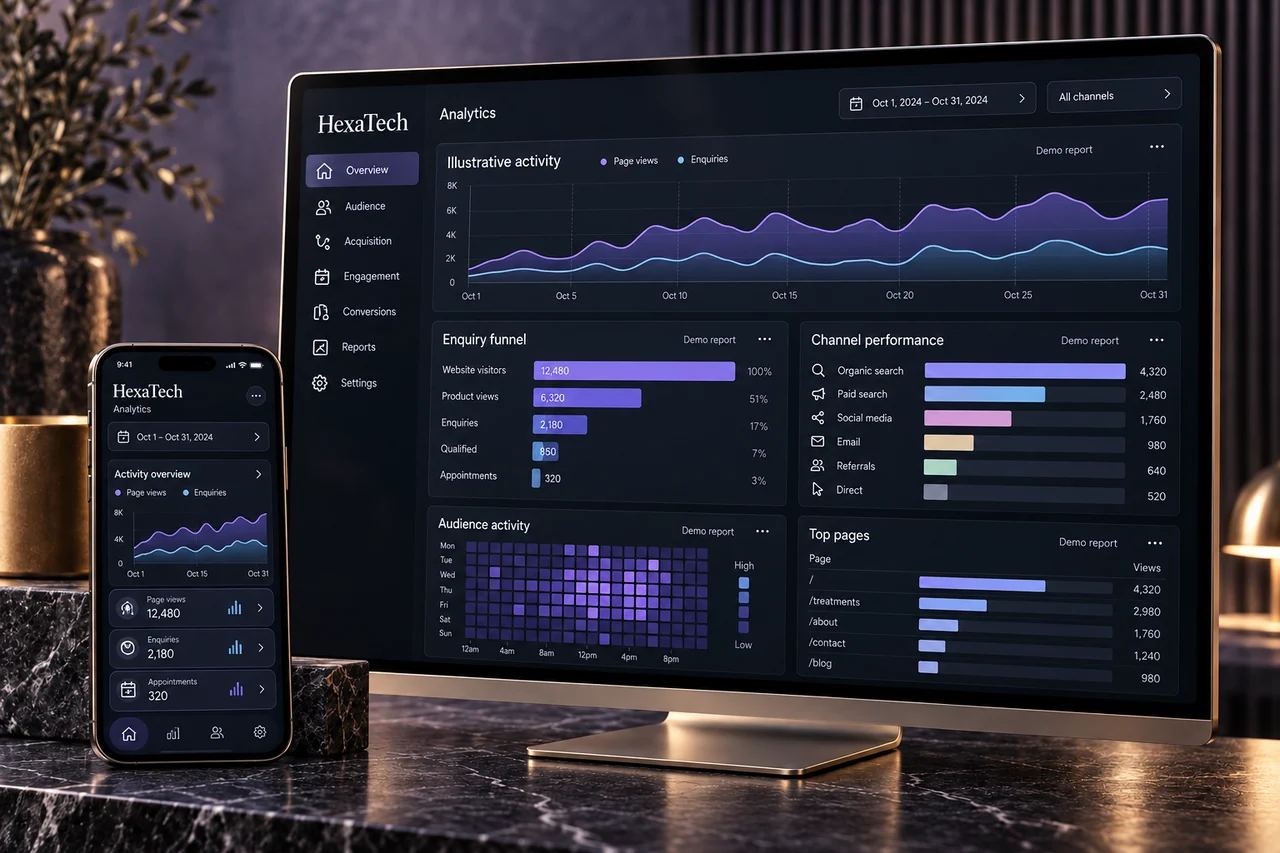
Agree the first release, who owns the decisions and how progress will be judged.
Selected work
Our own ventures keep brand, operations and commercial decisions in the same conversation.
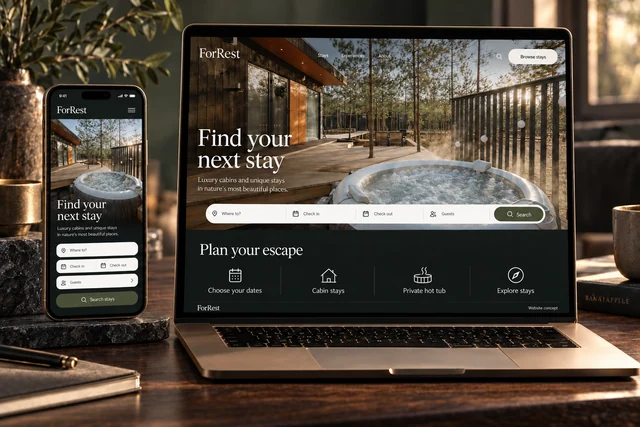
An accommodation business that connects the promise of a stay with the work behind it.
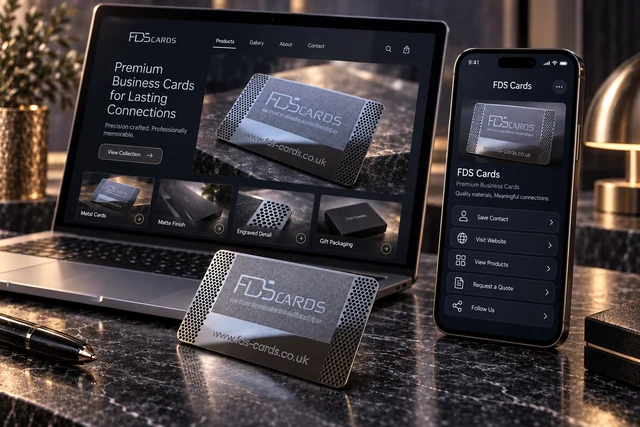
A premium physical product, a digital storefront and a clear commercial story.
The business case
Explore a phased investment instead of committing the whole programme at once.
Planning scenario: 25% for a first release, 75% reserved for later decisions.
An allocation model, not a quote or saving. The right phase size depends on evidence, delivery dependencies and priorities.
Phase the commitment. Review before the next investment.
The details that matter
Clear decisions, visible progress and an agreed handover. The details that make the work easier to own.
Customer and business evidence tied to a specific decision.
Priorities, trade-offs and dependencies your team can discuss.
Clear requirements and ownership, whether we deliver or your team does.
Before we start
We agree the deliverables, responsibilities, ownership and ongoing costs before production.
An initial conversation establishes fit and the likely need. Substantive research and discovery are separately scoped and quoted before they begin.
A usable plan should explain its assumptions and decisions. We agree the documents, handover and rights in the proposal so you know how the outputs can be used.
No. Start with the problem, the decision or the competing ideas. The purpose of discovery is to establish the useful brief, not to require one upfront.
Tell us what you want to improve. We’ll help you work out a practical next step.
Prefer email? info@design-studio.co.uk