

Artificial Intelligence is everywhere. It writes emails, predicts shopping habits, scans resumes, detects fraud, and even makes legal and medical decisions. AI systems are optimizing businesses, revolutionizing industries, and creating new opportunities. But behind every AI advancement, there are hidden risks that could reshape society in ways we are not prepared for.
AI is not neutral. It learns from human data, making it prone to bias, unfairness, and discrimination. Algorithms designed to be "efficient" can reinforce inequality, exclude entire demographics, or make life-altering decisions without human oversight.
At the same time, AI is eroding privacy at an alarming rate. Governments and corporations collect, store, and analyze personal data on an unprecedented scale. AI-powered surveillance, facial recognition, and predictive analytics mean that individual freedoms are being traded for convenience and control.
As AI continues to evolve, one question remains: Are we creating a future that serves humanity—or one that controls it?
The Hidden Bias in AI: When Machines Inherit Human Prejudices
AI is often seen as objective, but it is only as fair as the data it is trained on. If historical data contains biases, AI will not only replicate them—it will amplify them.
Discrimination in Hiring and Banking
Companies increasingly use AI-powered recruitment tools to filter job applications, yet studies have shown that these systems often favor men over women or reject candidates based on racial or socioeconomic factors. In one well-documented case, an AI hiring tool preferred male candidates because it was trained on past hiring data, which reflected an industry-wide gender imbalance.
The financial sector has faced similar problems. AI-driven credit scoring models sometimes unfairly penalize minority groups because the training data reflects historical lending discrimination. Instead of making lending fairer, AI has made bias more efficient and harder to detect.
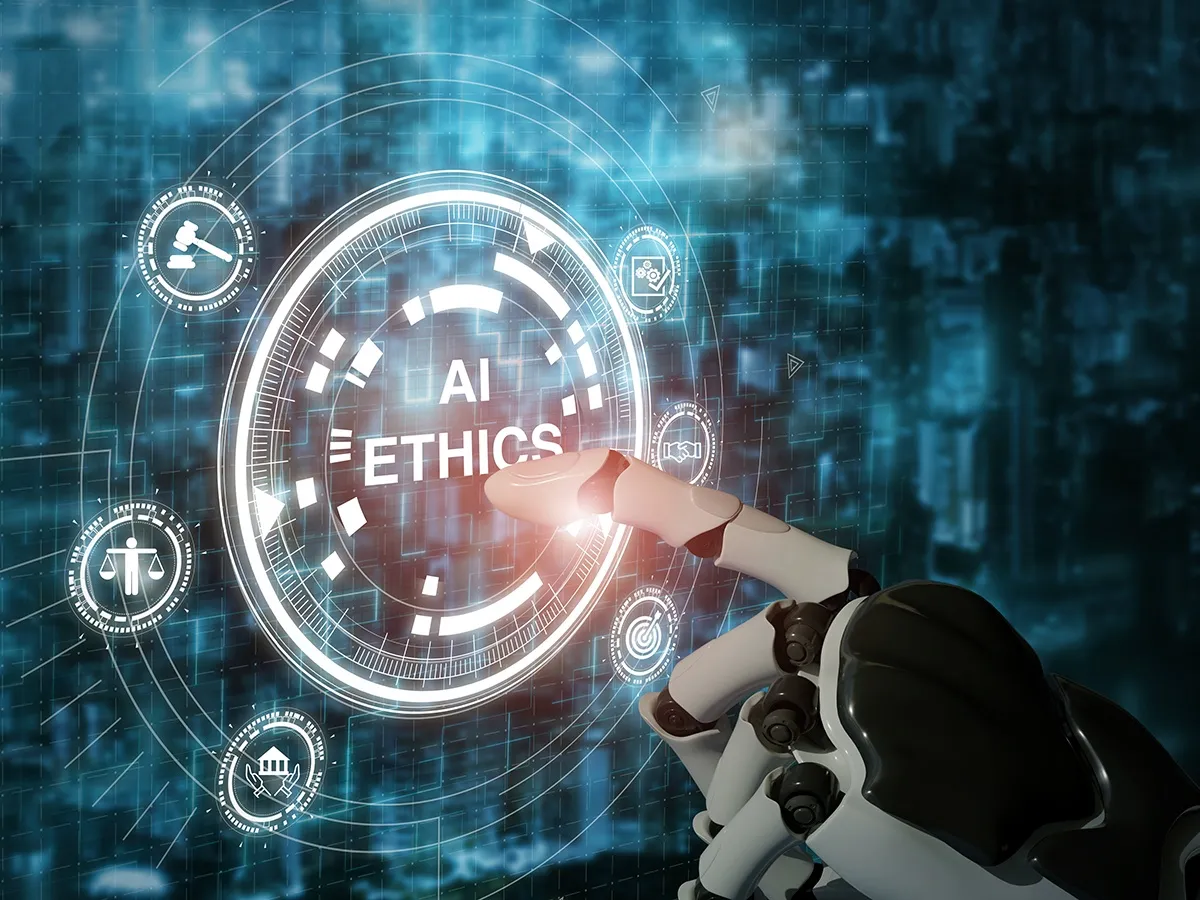

Facial Recognition and Law Enforcement Bias
AI-powered facial recognition has become a standard tool for security, policing, and surveillance. But many of these systems have significantly higher error rates when identifying people of color, leading to false arrests, surveillance abuses, and racial profiling.
In some countries, facial recognition is already being used for mass surveillance and social control. China’s AI-driven Social Credit System tracks citizens’ behavior and rewards or punishes them based on AI-generated scores. Similar AI surveillance programs are quietly being introduced worldwide, raising serious concerns about privacy and civil liberties.
The Real Problem: AI isn’t inherently biased—but it learns from biased data. Without intervention, AI will continue to reinforce existing inequalities, creating a world where machines make unfair decisions that humans cannot easily challenge.
AI and Privacy: Are We Living Under Constant Surveillance?
AI is everywhere, silently collecting, analyzing, and storing data. Every time we browse the internet, use social media, or speak to a voice assistant, AI-powered algorithms are tracking our behavior, often without our full awareness. But how much of our privacy are we unknowingly giving away?
How AI Collects Your Data
AI-driven systems power social media, search engines, e-commerce platforms, and smart devices. These technologies track:
- Search history – AI learns what we’re interested in and tailors content accordingly.
- Location data – Apps monitor real-time movement, even when not actively in use.
- Browsing behavior – Every click, scroll, and ad interaction is stored and analyzed.
- Voice recordings – Smart assistants and AI-powered devices process conversations, sometimes even when they’re not activated.
This data isn’t just used to improve services—it’s often sold, shared, or analyzed for predictive profiling, influencing the ads we see, the content we consume, and even financial or employment opportunities.

AI in Surveillance: Where is the Line?
AI-powered facial recognition and behavior tracking are already in use worldwide. Cities deploy AI-enhanced cameras to monitor streets, airports, and public spaces. In some countries, predictive policing tools analyze behavior patterns to assess crime risks—but critics warn that these systems disproportionately target marginalized groups.
Even in democratic societies, AI is being used to monitor social media posts, analyze online activity, and track movements. While governments justify these measures as necessary for security, they raise serious concerns about mass surveillance and the erosion of personal freedoms.
Can Privacy Survive in an AI-Driven World?
Laws like GDPR and CCPA aim to give users control over their data, but AI’s rapid evolution outpaces regulation. Meanwhile, businesses continue to collect and store personal data, often with little transparency about how it’s used.
To protect privacy in the AI era, stronger regulations, corporate accountability, and public awareness are needed. Until then, individuals must take steps to safeguard their own digital footprint by limiting data sharing, adjusting privacy settings, and demanding more transparency from AI-powered platforms.

Regulating AI: Can Laws Keep Up with Technology?
AI is evolving faster than governments can regulate it. While some countries have introduced privacy laws like GDPR and CCPA, these regulations do not fully address the ethical risks of AI decision-making, bias, and automated surveillance.
The Challenge of Global AI Governance
The European Union is leading the way with the AI Act, which categorizes AI systems based on their risk level—banning some high-risk AI applications entirely. However, other countries, such as the United States, prioritize innovation over regulation, allowing AI to develop with minimal restrictions. Meanwhile, China has taken the opposite approach—aggressively regulating AI while using it for mass surveillance.
The lack of global AI standards means that businesses and tech companies operate under different ethical expectations, leading to unequal protections for users depending on where they live.
The regulatory gap is dangerous—without clear rules, AI companies are free to develop powerful, unregulated technologies that could reshape the world in ways we cannot yet predict.
The Future of AI: Ethical Innovation or Technological Chaos?
The ethical dilemmas of AI aren’t problems for the distant future—they are happening right now. AI is making decisions about who gets hired, who gets a loan, who goes to jail, and who gets medical treatment. The question is: Are we okay with machines making those choices?
The path forward requires a balanced approach—one that prioritizes fairness, transparency, and accountability without slowing innovation.
What Can Be Done?
Stronger AI regulations that ensure transparency and prevent harmful applications.
- Bias-free training data to create fairer AI models.
- Public awareness and education about AI’s impact on privacy and society.
- Explainable AI (XAI)—systems designed to show how AI makes decisions, allowing for human oversight.
The biggest risk is not AI itself—it’s the lack of control over AI’s influence on society. If we don’t set ethical boundaries now, we may lose control over AI before we fully understand its consequences.

Final Thoughts: The Choice is Ours
Artificial intelligence is revolutionizing the way businesses operate, making marketing more data-driven, scalable, and personalized. However, success doesn’t come from AI alone—it’s about knowing how to leverage AI tools effectively to maximize results.
If you’re ready to take your AI-driven marketing strategy to the next level, explore the insights and strategies shared in these expert resources:
- The AI Marketing Revolution – A deep dive into how AI is transforming modern marketing.
- 7 Steps to Build a Multimillion Business with AI-Driven Marketing – A step-by-step guide to scaling your business using AI-powered strategies.
Discover more about AI-driven business growth at Design Studio